


 +1 (210) 843 2903
 info@jewarinternational.com
 E-218B, First Floor, Block E, Sector 63, Noida, Uttar
Pradesh 201301
E-218B, First Floor, Block E, Sector 63, Noida, Uttar
Pradesh 201301
Case Studies: Apps That Made a Positive Human Rights Impact

Written by Jewar International Technologies · 13 September 2025
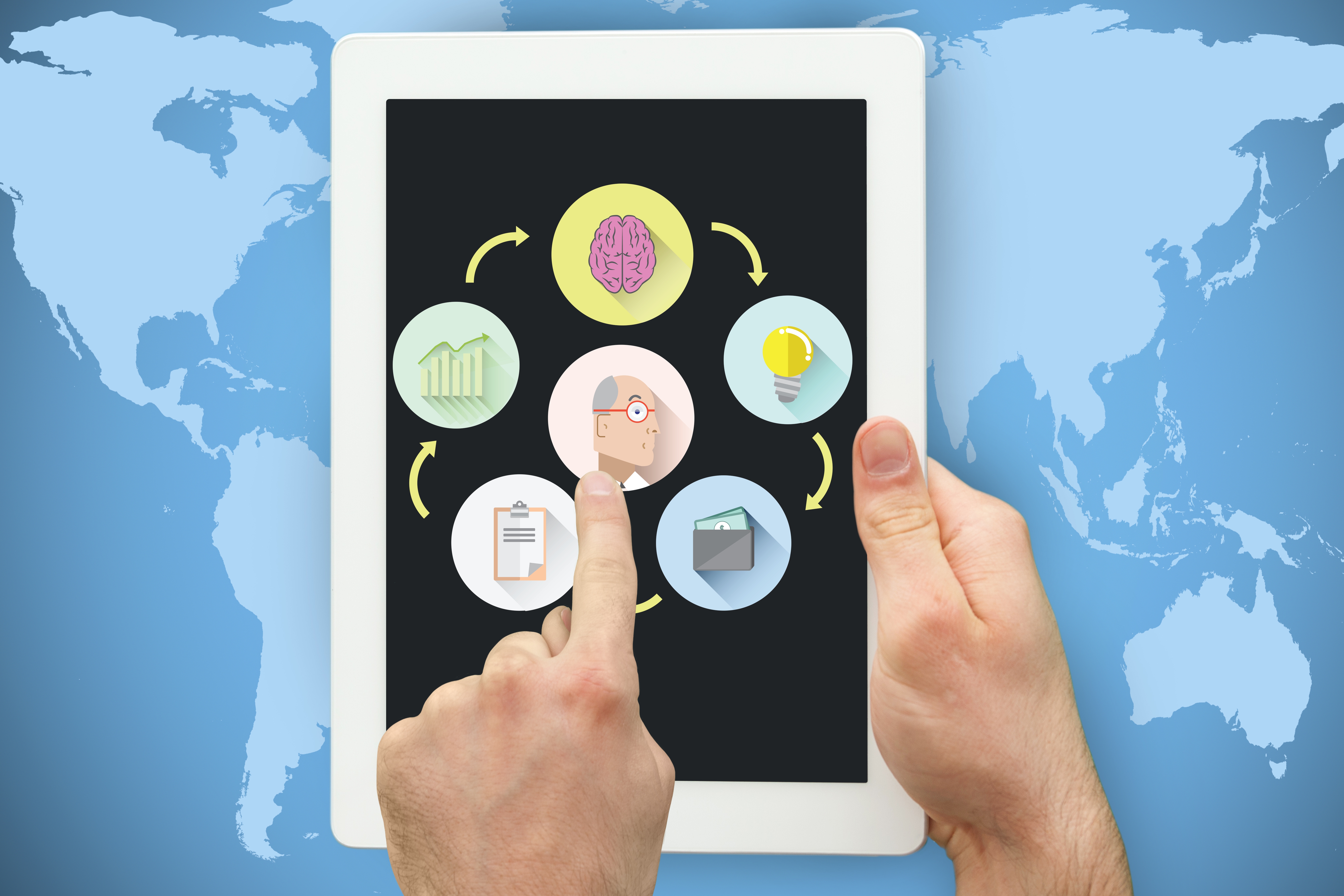
The world today runs on mobile technology. With billions of smartphones in use and mobile apps shaping how we communicate, learn, and access services, it’s no surprise that apps have become powerful tools for social change. Beyond convenience and entertainment, mobile applications are now addressing some of humanity’s biggest challenges—protecting privacy, ensuring safety, empowering marginalized communities, and strengthening human rights on a global scale.
This blog highlights five inspiring case studies of apps that have made a meaningful human rights impact. These examples show how technology, when designed with ethics and empathy, can uplift communities, defend freedoms, and create a more inclusive digital society.
Why Apps Play a Critical Role in Human Rights
Human rights are not limited to legal frameworks—they extend into the digital world. And as society becomes more mobile-first, apps have become essential tools for:
- Safeguarding privacy
- Ensuring accessibility
- Providing life-saving information
- Promoting participation in democratic processes
- Documenting abuses and amplifying unheard voices
Let’s explore real-world apps that show how impactful mobile technology can be when built with purpose.
1. Signal – Protecting the Right to Privacy
When it comes to private communication, Signal is one of the most trusted names worldwide. Built around end-to-end encryption, transparency, and open-source principles, Signal is a leader in defending digital rights.
- Impact: Allows secure messaging, calls, and file sharing through advanced encryption protocols.
- Human Rights Contribution: Upholds the right to privacy and freedom of expression by preventing unauthorized access or surveillance.
- Why It Matters: Journalists, activists, whistleblowers, and ordinary users depend on Signal to communicate without fear of monitoring, censorship, or reprisals.
Signal has been used in regions with strict censorship laws and authoritarian regimes, giving people a safe channel to connect, mobilize, and advocate for their rights. Its commitment to user privacy—without ads, tracking, or data exploitation—sets a gold standard in ethical technology.
2. Amnesty International App – Driving Global Human Rights Awareness
The Amnesty International app brings the world’s most pressing human rights issues directly to people’s smartphones. It educates, informs, and mobilizes users to stand up against injustice.
- Impact: Delivers updates on human rights news, violations, campaigns, and petitions.
- Human Rights Contribution: Supports the right to information and enables people to participate actively in advocacy.
- Why It Matters: The app increases global awareness, helping individuals around the world raise their voices in solidarity.
Through rapid notifications and integrated petitions, the app makes activism accessible. Users can advocate for prisoners of conscience, challenge government abuses, and promote justice with just a few taps.
3. RefAid – Supporting Refugees and Migrants in Crisis
The global refugee crisis has left millions displaced. The RefAid app is one of the most impactful digital tools created to support refugees, asylum seekers, and migrants during these critical moments.
- Impact: Maps local shelters, food banks, medical centers, legal aid, and humanitarian services.
- Human Rights Contribution: Upholds the right to safety, dignity, and access to essential support in unfamiliar environments.
- Why It Matters: RefAid provides real-time, location-based assistance that often becomes a lifeline for displaced individuals.
The app collaborates with NGOs, governments, and aid groups to ensure up-to-date information. It eliminates confusion, reduces risks, and helps vulnerable communities make informed decisions in moments of crisis.
4. Witness App – Documenting Human Rights Violations
The Witness app, developed by the global human rights organization Witness, empowers people to securely capture and share evidence of abuse. It transforms mobile phones into powerful tools for justice.
- Impact: Enables secure, tamper-proof recording of videos and photos documenting violations.
- Human Rights Contribution: Protects the right to truth and supports justice by preserving authentic evidence.
- Why It Matters: Documentation from the Witness app has been used in international court cases, news reports, and advocacy campaigns.
The app includes features like automatic blurring of faces to protect identity, encrypted storage, and metadata verification. This prevents footage from being altered or used against survivors and witnesses.
5. Be My Eyes – Championing Accessibility for the Visually Impaired
While often categorized as an accessibility tool, Be My Eyes is also a powerful human rights app because it promotes equality and inclusivity.
- Impact: Connects visually impaired individuals with volunteers via live video calls for real-time assistance.
- Human Rights Contribution: Supports the right to equal participation and independence for people with disabilities.
- Why It Matters: The app has helped millions complete daily tasks—from reading labels to navigating unfamiliar environments.
Its global community of volunteers speaks over 180 languages, ensuring that help is available anywhere, anytime. By breaking accessibility barriers, Be My Eyes empowers visually impaired users to live with dignity and confidence.
What These Apps Teach Us About Technology and Human Rights
Each of these apps demonstrates how mobile technology can move beyond business goals to create meaningful social impact.
Here are the core lessons:
- Privacy is essential: Tools like Signal show that security and freedom go hand in hand.
- Access is power: Apps like RefAid and Be My Eyes create equal opportunities for underserved groups.
- Awareness drives change: The Amnesty app transforms people from observers into activists.
- Truth needs tools: Witness empowers communities to document violations with credibility and safety.
These case studies prove that ethical technology can bridge inequalities, support justice movements, and improve lives in extraordinary ways.
Why This Matters for Mobile App Development Companies
As a mobile app development company, these case studies reinforce an important message: We are not just building apps—we are shaping digital experiences that can either help or harm societies.
Businesses have both the power and responsibility to:
- Design apps that prioritize user safety and privacy
- Create inclusive, accessible digital experiences
- Avoid data exploitation or harmful algorithms
- Use technology to drive positive social impact
- Collaborate with NGOs, governments, and communities for meaningful change
By learning from apps that have made a real difference, developers can adopt human-centered practices that not only serve business needs but also uplift humanity.
Final Thoughts
Technology is never neutral—it shapes societies, influences behavior, and impacts human rights. The apps discussed in these case studies show what’s possible when innovation is guided by ethics, empathy, and a commitment to justice.
As a company invested in mobile app development, we believe in creating solutions that respect privacy, amplify marginalized voices, and foster a more inclusive digital world. Our goal is not just to build apps that function—but apps that matter.
When mobile technology aligns with human rights, it becomes one of the most powerful tools for positive change. By following these examples, we can build a future where apps don’t just transform lives—they protect them.