


 +1 (210) 843 2903
 info@jewarinternational.com
 E-218B, First Floor, Block E, Sector 63, Noida, Uttar
Pradesh 201301
E-218B, First Floor, Block E, Sector 63, Noida, Uttar
Pradesh 201301
Healthcare Apps and the Right to Accessible Healthcare

Written by Jewar International Technologies · 15 September 2025
Written by Jewar International Technologies · 15 September 2025
Healthcare Apps and the Right to Accessible Healthcare
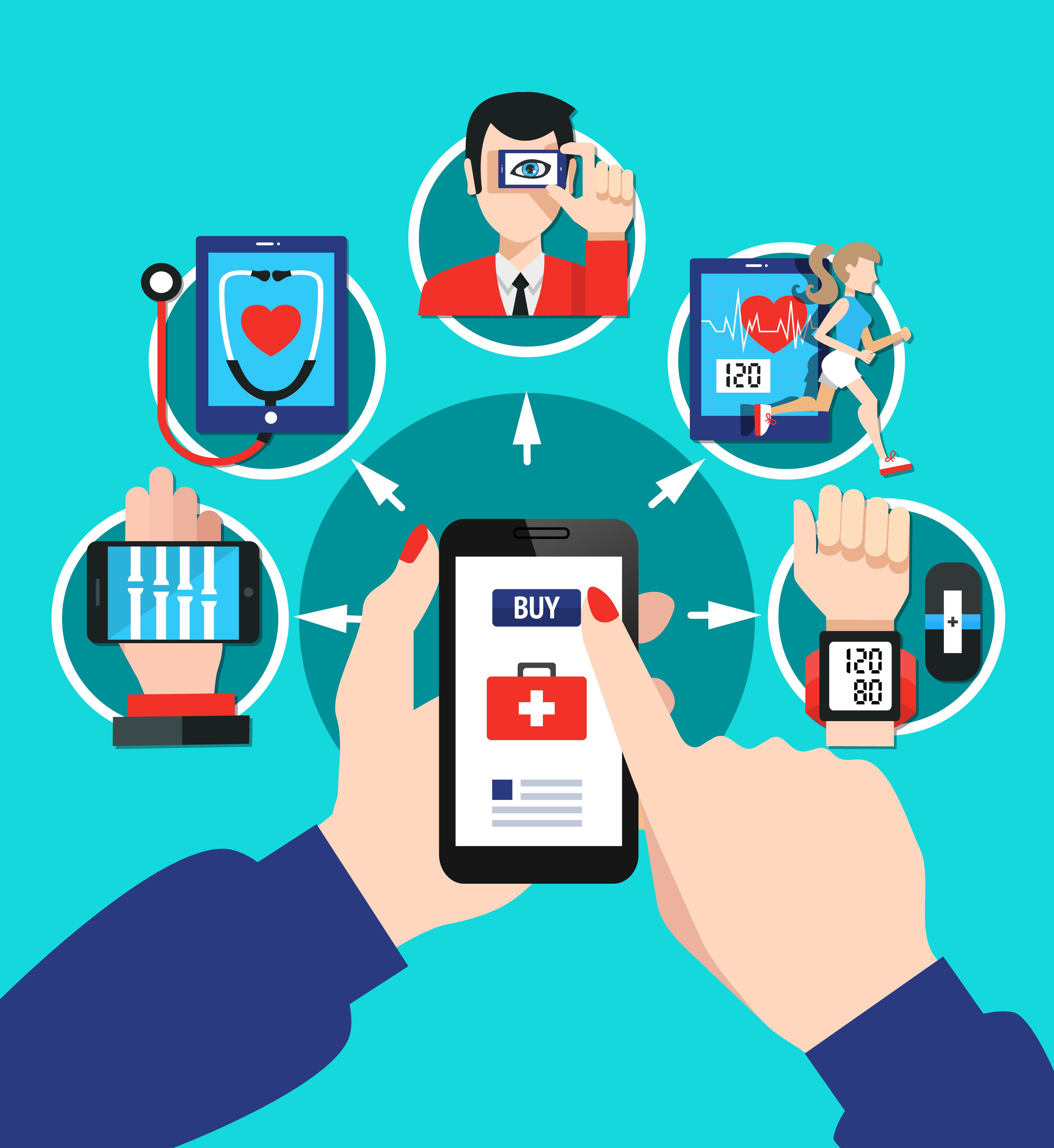
In today’s fast-paced digital world, healthcare is no longer confined to hospitals, clinics, or physical appointments. With the rapid growth of healthcare apps, people can now consult doctors, manage chronic conditions, track fitness, and access medical advice directly from their smartphones. This digital evolution is not just about convenience—it plays a critical role in protecting a basic human right: the right to accessible healthcare.
Technology has fundamentally changed how individuals interact with healthcare systems. What once required long travel, high costs, and extended waiting periods can now be managed through a few taps on a mobile device. Healthcare apps are redefining access, empowering patients, and closing the gap between medical professionals and underserved communities.
Accessible healthcare means that everyone, regardless of income level, geographical location, age, or physical ability, should be able to receive quality medical services when they need them. Healthcare apps are becoming a powerful bridge between medical providers and underserved populations, helping reduce long-standing inequalities in healthcare access.
Why Accessible Healthcare Is a Fundamental Human Right
Healthcare is universally recognized as a fundamental human right because it directly affects survival, quality of life, and human dignity. Without access to timely medical care, preventable and treatable conditions can quickly escalate into serious or life-threatening illnesses.
Despite medical advancements, millions of people worldwide still struggle to access basic healthcare services due to systemic barriers such as:
- Lack of hospitals and clinics in rural or remote areas
- High costs of doctor visits, diagnostics, and treatments
- Shortage of qualified healthcare professionals
- Language, disability, and cultural barriers
- Long waiting times and inefficient healthcare systems
Healthcare apps help address these challenges by offering affordable, scalable, and technology-driven solutions. By removing physical and financial limitations, digital healthcare platforms play a vital role in promoting equality and inclusivity.
How Healthcare Apps Promote Accessible Healthcare
1. Eliminating Geographical Barriers
In many regions, especially rural and remote areas, reaching a healthcare facility can require hours or even days of travel. This delay often results in untreated conditions and poor health outcomes.
Telemedicine apps eliminate this barrier by enabling patients to consult doctors through video calls, chats, or voice consultations—without the need to travel. This is particularly beneficial for elderly patients, individuals with disabilities, and people living in underserved locations.
2. Affordable Medical Services
Healthcare costs remain one of the biggest obstacles to accessibility. Traditional healthcare systems involve high operational expenses, which often translate into expensive treatments for patients.
Healthcare apps significantly reduce costs by eliminating infrastructure overheads. Many platforms offer affordable subscription plans, free symptom checkers, and low-cost online consultations. Preventive care and early diagnosis through apps also help reduce long-term medical expenses.
3. 24/7 Healthcare Access
Medical emergencies and health concerns do not follow fixed schedules. However, traditional clinics operate within limited hours, leaving patients with few options during nights or weekends.
Healthcare apps provide round-the-clock access to medical support. From late-night health advice and medication reminders to mental health counseling, patients can seek assistance anytime, ensuring continuity of care.
4. Personalized Health Management
Modern healthcare apps leverage data analytics and artificial intelligence to deliver personalized care experiences. Features such as fitness tracking, medication reminders, blood pressure monitoring, and glucose tracking empower users to actively manage their health.
By collecting real-time health data, these apps allow doctors to make more accurate diagnoses and create tailored treatment plans. Personalized healthcare not only improves outcomes but also encourages patients to stay engaged with their health journey.
5. Inclusive and Disability-Friendly Features
True healthcare accessibility must consider individuals with disabilities and special needs. Many healthcare apps now include voice assistance, screen readers, adjustable font sizes, high-contrast interfaces, and multilingual support.
These inclusive features ensure that people with visual impairments, hearing difficulties, or language barriers can access healthcare services independently and confidently.
Real-World Impact of Healthcare Apps
Healthcare apps are already transforming lives across the globe. Several platforms demonstrate how technology can improve healthcare accessibility:
- Ada Health: Uses AI to analyze symptoms and guide users toward appropriate medical care
- Practo: Enables online doctor consultations, appointment booking, and digital prescriptions
- MySugr: Helps people with diabetes track blood sugar levels and manage daily routines
- Talkspace: Provides online mental health therapy and counseling services
These applications showcase how digital healthcare solutions can democratize access to essential medical services while improving efficiency and patient satisfaction.
Challenges in Digital Healthcare Accessibility
While healthcare apps offer immense potential, several challenges must be addressed to ensure universal accessibility:
- Digital Divide: Lack of smartphones or reliable internet access can exclude vulnerable populations
- Data Privacy & Security: Sensitive health data requires robust encryption and compliance with regulations
- Regulatory Compliance: Healthcare apps must meet strict legal and ethical standards
- Trust & Awareness: Users may hesitate to adopt digital healthcare without proper education
Addressing these challenges is crucial for building trust and ensuring that healthcare apps truly serve everyone.
Why Healthcare App Development Matters
For businesses and developers, healthcare apps are not just digital products—they are impact-driven solutions that can improve lives. Well-designed healthcare apps can support public health systems, reduce pressure on hospitals, and empower individuals to take control of their health.
By focusing on usability, security, accessibility, and compliance, developers can create solutions that benefit both patients and healthcare providers while contributing to a more equitable healthcare ecosystem.
The Future of Accessible Healthcare
As technology continues to evolve, healthcare apps will play an even greater role in preventive care, chronic disease management, mental health support, and emergency response.
Emerging technologies such as artificial intelligence, wearable devices, and remote monitoring will further enhance the reach and effectiveness of digital healthcare. Collaboration between governments, healthcare institutions, and technology providers will be essential to build a secure and inclusive digital healthcare infrastructure.
Final Thoughts
Healthcare apps are redefining how people access medical care in the modern world. By breaking barriers of distance, affordability, and inclusivity, they help uphold the right to accessible healthcare for millions worldwide.
In a world where healthcare should never be a privilege, digital solutions prove that technology can be a powerful force for good—ensuring that everyone, everywhere, has the opportunity to live a healthier and more dignified life.