


 +1 (210) 843 2903
 info@jewarinternational.com
 E-218B, First Floor, Block E, Sector 63, Noida, Uttar
Pradesh 201301
E-218B, First Floor, Block E, Sector 63, Noida, Uttar
Pradesh 201301
Pinqin App
- Category Development
- Client Not Disclosed
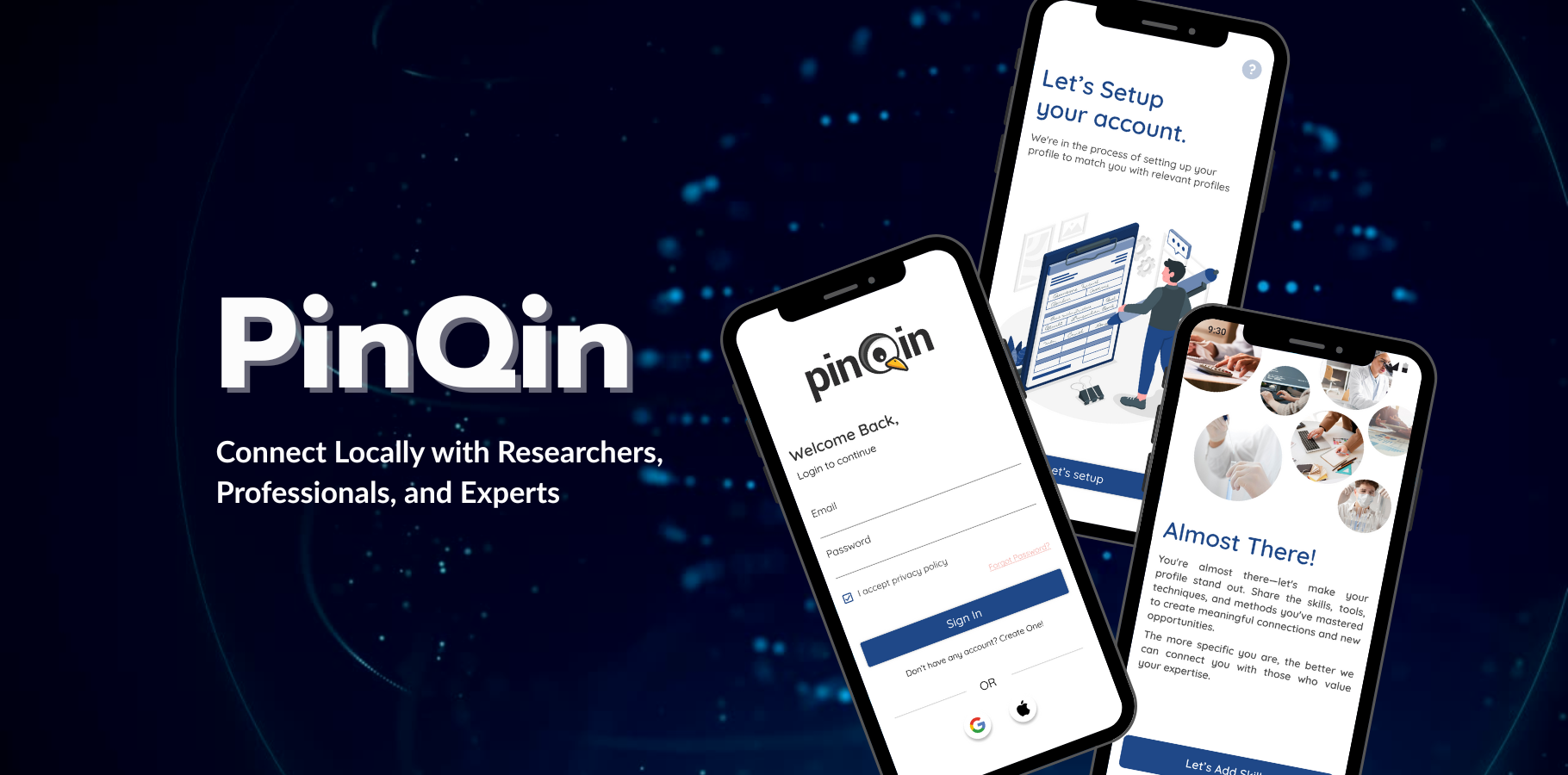
Introduction Of PinQin App
pinQin is an innovative platform built to empower collaboration between nearby researchers, academics, and skilled professionals. It serves as a dynamic networking tool that connects individuals based on shared expertise, research interests, and professional goals. Whether you're seeking a co-author, industry consultant, or simply someone to exchange ideas with, pinQin helps you discover like-minded peers in your local area.
Technologies Used in Pinqin App
- MongoDB
- React
- Node Js
-
 Flutter
- HTML
- CSS
- JavaScript
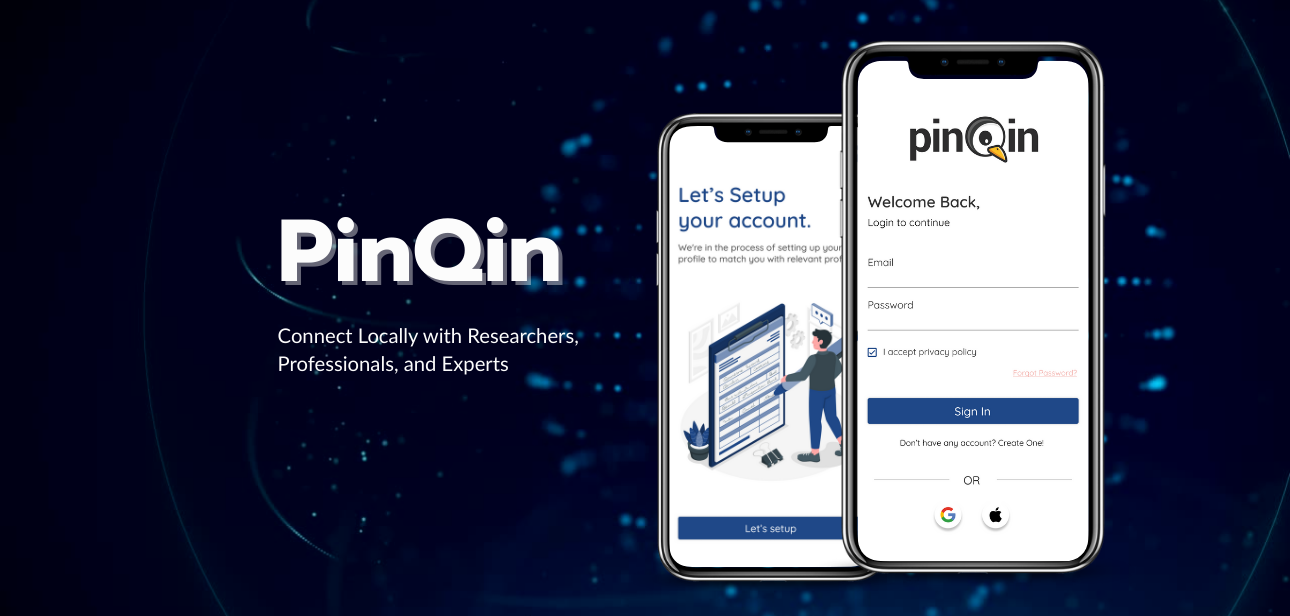
Problem Solved By PinQin App
Traditional professional networking platforms often overlook proximity, leading to missed opportunities for real-world collaboration. Additionally, researchers and skilled professionals frequently struggle to find relevant collaborators outside their immediate circles or institutions. pinQin solves this by providing a geo-based, skill-matching platform that simplifies the discovery of nearby experts, enabling faster, more meaningful connections. This results in increased project success rates, efficient resource sharing, and a more connected academic and professional community.
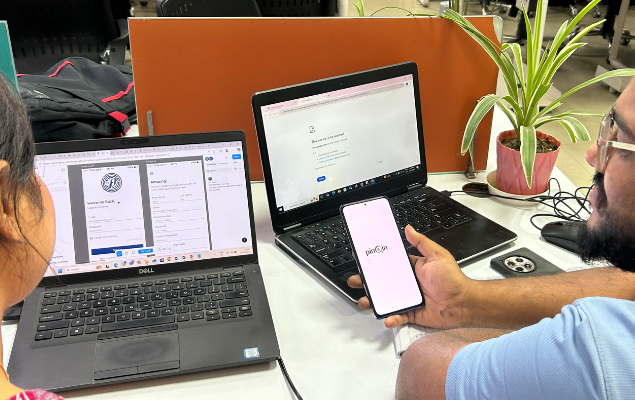
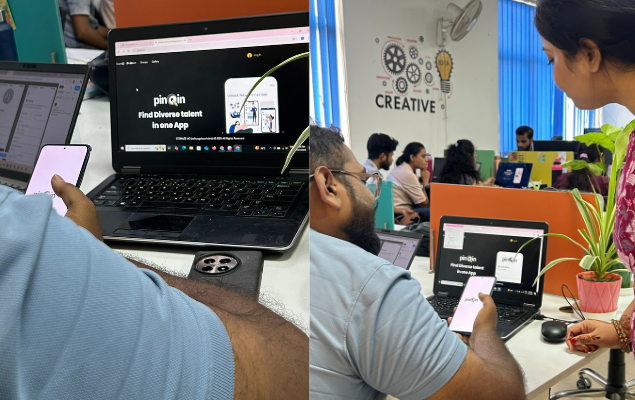
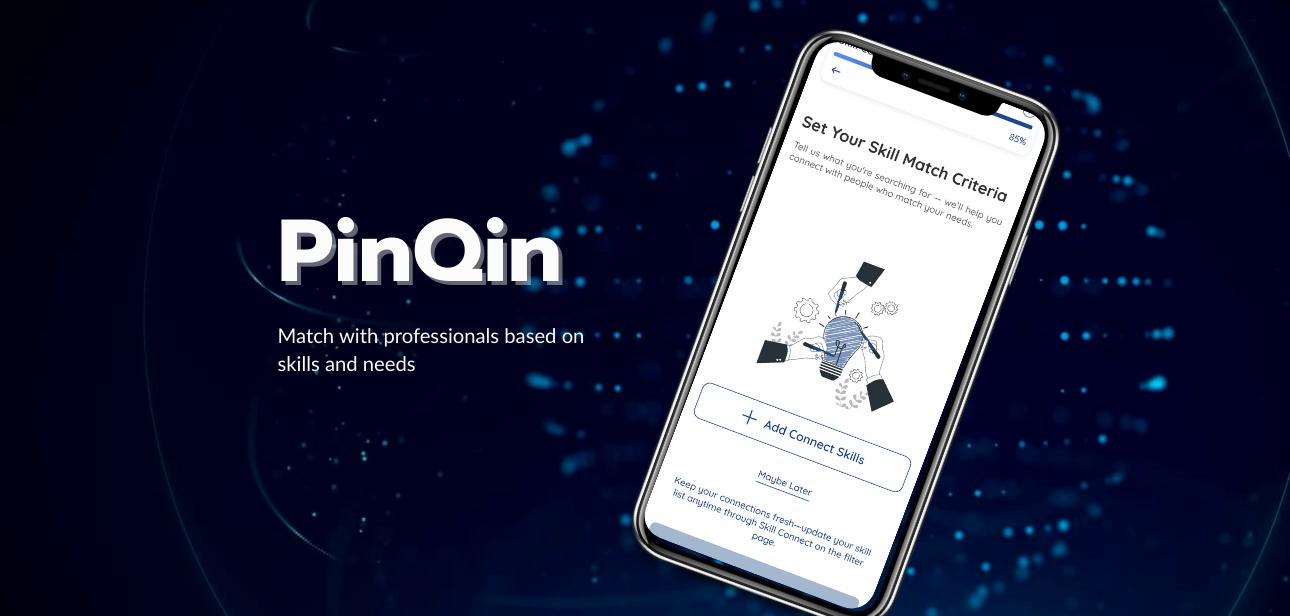
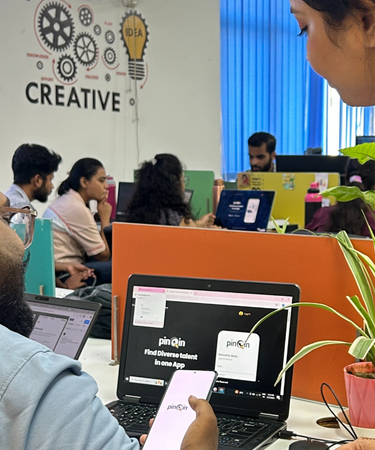
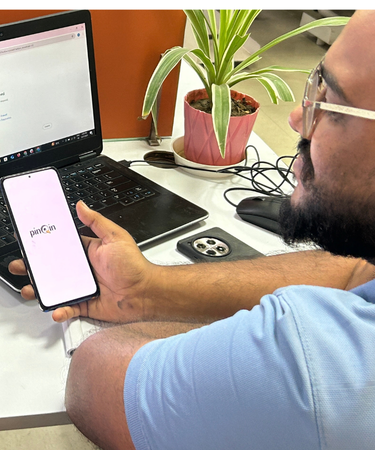
World Impact of Using the PinQin App:pinQin is poised to transform how research and innovation ecosystems operate globally. By removing geographic and institutional barriers, it fosters stronger collaboration across disciplines, accelerates knowledge transfer, and promotes inclusive innovation. The platform’s hyperlocal approach encourages community-based problem-solving, fostering breakthroughs that address both local and global challenges. In an era where interdisciplinary collaboration is crucial, pinQin plays a vital role in advancing scientific progress and professional growth.
Challenges Faced While Building the PinQin App
Developing Pinqin’s smart matching algorithm was a major technical and strategic challenge. The goal was to connect users based on shared skills, interests, industries, and career goals—while also encouraging diversity and fresh perspectives. This meant balancing personalized relevance with variety, which required complex logic, advanced filtering, and adaptive machine learning. The algorithm had to process both structured and unstructured user data, avoid repetitive matches, and deliver high-quality connections in real time. Ensuring accuracy, speed, and user privacy while scaling to thousands of users made the development even more demanding.